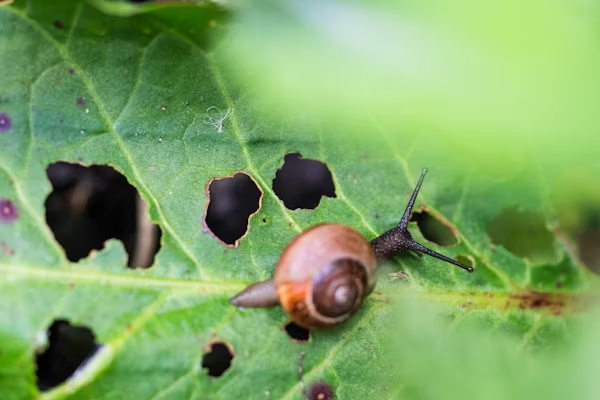
Pests aren’t just an inconvenience. They can cause serious harm for the structural integrity of your house. From rodents eating through wires to termites destroying support structures made of wood, an insignificant infestation could turn to costly damage if unchecked.
A lot of homeowners don’t realize how quickly pests damage flooring, walls, insulation as well as foundations. Being proactive and taking preventative steps is crucial to safeguard both your property as well as your confidence.
Recognize the Dangers That Various Pests Present
Some pests don’t produce the same kind of destruction, but a lot of them have an impact on the structure. Rodents, for instance, are known for their ability to gnaw through plastic, wood as well as electrical wire. They not only cause damage to material, but it can also increase the chance of fire hazards.
Carpenter ants and termites are the most destructive of them, since they attack wood and slowly devour beams and supports as they age. Contrary to this, pests that love moisture like cockroaches can also cause damage through their thriving in damp places, usually making things worse, such as leaks or decay.
Knowing what’s going on can help you react more efficiently and avoid long-term repercussions.
Take Immediate Action at the First Signs
The sooner you can identify an issue with pests the easier it will be to avoid severe damage. Signs of a problem include strange sounds in walls droppings, chewed and gnawed materials or visible damage to wood or insulation. If you ignore these warning signs, it could allow pests to infest your home, increasing the amount and the cost of repairs. Being proactive can be the distinction between a minor annoyance or a major overhaul.
Seal Weak Spots and Entry Points
One of the most effective ways to secure your house is to prevent the entry of pests anyhow. small gaps, cracks between windows, and holes close to vents or pipes could be entry points. Be sure to regularly inspect the exterior of your house and sealing the gaps can greatly reduce the likelihood of a pest infestation. Small changes, such as fixing the damaged screen or covering gaps can have a significant impact.
Maintain Moisture Control
Many pests thrive in humid environments, which makes humidity control an essential part of prevention. If your pipes are leaky or have poor drainage, as well as high humidity, it could make the perfect conditions for pests to thrive, so you should fix leaks quickly as well as improve ventilation and ensure that proper drainage is in place around your home. This means that you’ll make your home from being a magnet for insects while also defending the structural components from decay and rot.
Keep Your Spaces Clutter-Free and Clean
Pests are attracted to food sources and hiding spots. Cleaning your home and keeping it tidy will decrease the chances of having unwanted guests. Recycling waste regularly and securely storing food items and reducing clutter, particularly in lofts, basements, and garages, makes it more difficult for pests to get settled and increase.
Make a Professional Pest Control Investment
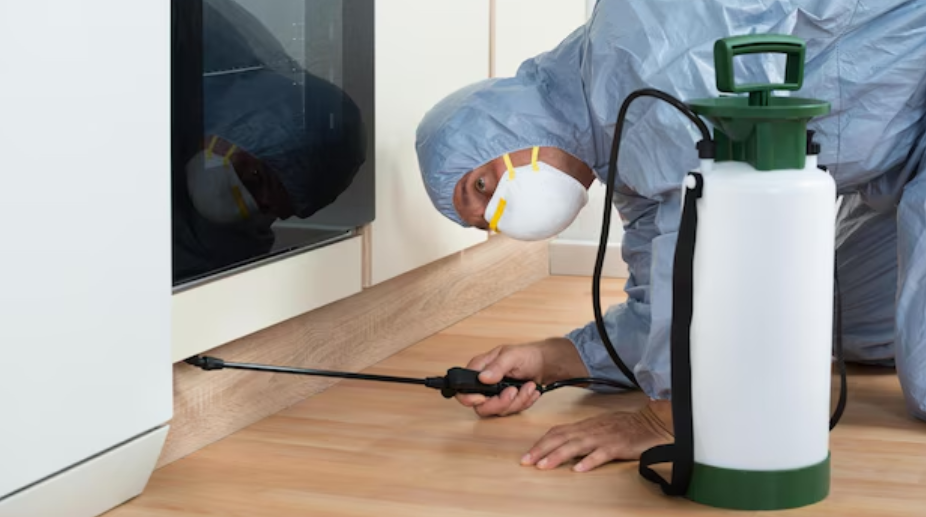
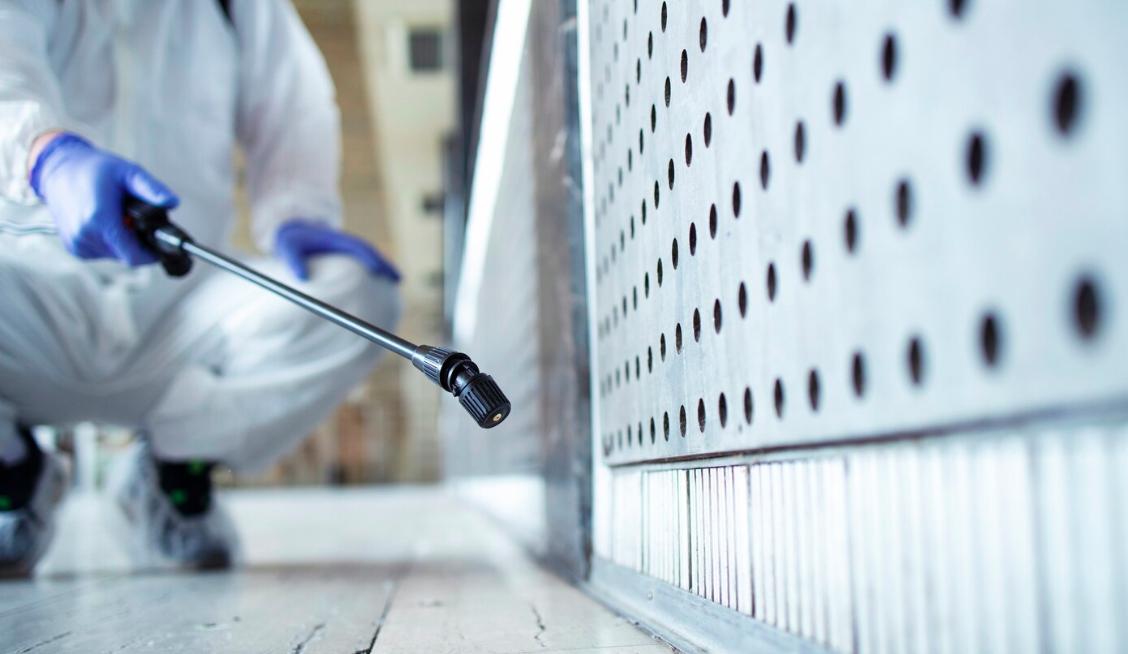
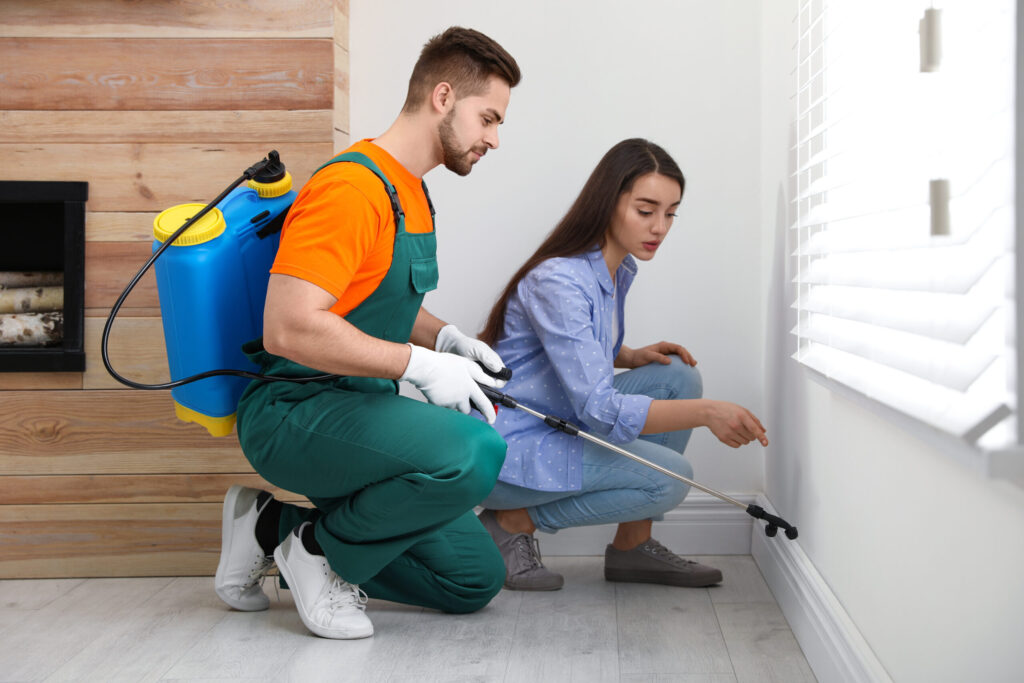
Although DIY solutions can assist with minor problems However, professional assistance is typically the best way to shield your home from structural destruction. Employing a professional service ensures that any infestations are taken care of in a safe and thorough manner.
Professionals can pinpoint the cause of the issue, implement specific treatments, and offer continuous solutions to avoid the occurrence of future problems. If you’re facing an ongoing or extensive infestation, getting in touch with pest control and extermination Swedesboro NJ will help you save time, stress and cost in the future.
Make Regular Inspection Schedules
Even if you don’t notice any obvious evidence of pests, frequent inspections can detect problems earlier. Inspections by professionals are especially useful to identify hidden problems like termites in walls, or rodents that have settled in attic areas. Regular inspections allow you to take action on potential dangers before they become severe structural damage.
Safeguard Your Home’s Weak Spots
Certain areas of your home are more vulnerable to the effects of pests. Basements, wood structures or crawl spaces, as well as attics are a common source of pest damage. Making extra precautions in these areas, like the use of treated wood, installing barriers, or ensuring proper insulation can provide an extra layer of protection.
Consider Prevention in the Long Run
The prevention of structural damage caused by pests isn’t just about resolving the immediate issue; it’s about stopping future ones. The combination of good maintenance practices and expert assistance creates a robust home. If you are proactive, taking care to address problems early and seeking assistance from a professional when needed it can drastically decrease the likelihood of long-term damage.
Prevent Home Issues Before They Get Worse
Pests can cause more damage than most realize, working in a quiet manner until the damage gets serious. The secret to avoiding expensive repairs is early detection, constant maintenance as well as knowing the right time to bring experts.
If you take the right steps and assistance, you can ensure the security of your home, preserve its structural integrity and gain an unending peace of mind.