A room can look perfectly fine and still feel like it is missing something. One interesting furniture piece can add warmth and personality without making the space feel crowded. Mid-century designs are especially useful because their simple shapes can work with many modern interiors.
The trick is to mix them thoughtfully instead of turning every corner into a history lesson. With a few practical choices, you can create a home that feels stylish, comfortable, and genuinely yours.
Add Piece By Piece
If you want to add character, begin with one item that catches your attention. It could be a wooden cabinet, an unusual chair, or a small table with an interesting shape. You do not need to replace half the room. Think about the size of the space and the colors already there.
A large piece can become the main feature in a simple room, while something smaller may work better in a busy space. Consider usefulness too. A beautiful cabinet that gives you extra storage is doing two jobs at once.
Mix Old And New
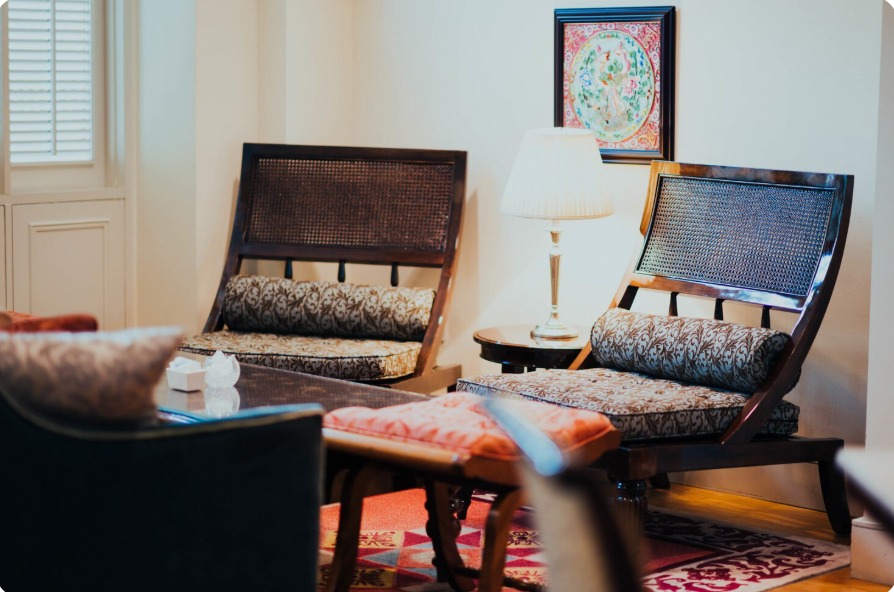
Furniture from different periods can work surprisingly well together. A modern sofa beside an older wooden table can create more personality than a room where everything looks like it came from the same catalog. Modern lighting, rugs, and artwork can also help older-looking furniture feel fresh.
You might place a simple contemporary lamp on a vintage side table or use a modern rug underneath a traditional cabinet. A little contrast makes the room feel collected over time, which is usually much more welcoming.
How Mid Century Furniture is Special
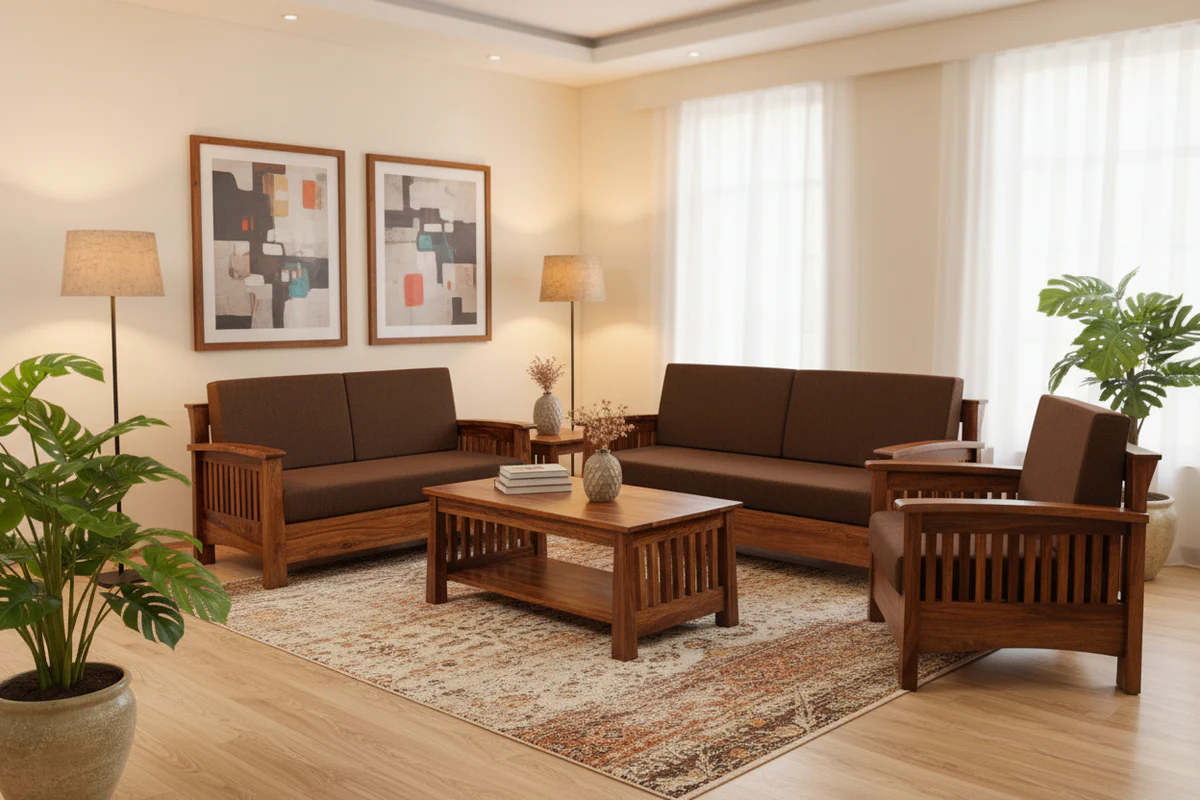
Mid century furniture is known for clean shapes, simple lines, and practical designs. These qualities make it fairly easy to introduce into a modern home without making the room feel old-fashioned.
A wooden sideboard can add warmth to a living room, while a simple dining table can give an eating area a more interesting focal point. A well-shaped desk can also work nicely in a home office without taking over the room.
Choose For Real Life
Looks matter, but furniture has to survive actual life too. Before buying something, think about who will use it and what the room is really like on an ordinary Tuesday. A chair should be comfortable enough to sit in. A cabinet should provide useful storage. A table needs to fit the way you eat, work, or entertain guests. Durability matters as well, especially in busy family homes.
Measure the available space before buying anything. A gorgeous piece that blocks a doorway or leaves everyone squeezing past it is not quite the decorating success you imagined.
Keep The Room Balanced
Even great furniture can make a room feel crowded when there is simply too much of it. Leave some open space around larger pieces so the room has room to breathe. Repeating a few colors or materials can help different furniture styles feel connected.
For example, wood from one piece might be echoed in a picture frame or small accessory nearby. The finished room should feel comfortable and lived-in, not like visitors need permission before sitting down.